
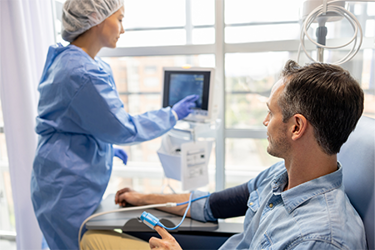
Early treatment plays a decisive role in how effectively a person recovers from illness, injury, or chronic conditions. Acting promptly at the first signs of a health issue often reduces complications, shortens recovery time, and improves long-term outcomes. In many cases, the difference between early and delayed care can define whether recovery is smooth or prolonged.
Understanding Early Treatment
Early treatment refers to medical intervention initiated at the initial stage of a condition—sometimes even before symptoms become severe. This approach focuses on identifying problems early and responding before they progress into more complex or irreversible stages.
Key elements of early treatment include:
- Timely diagnosis
- Prompt medical intervention
- Continuous monitoring and follow-up
- Patient education and lifestyle guidance
Why Timing Matters in Recovery
The human body has remarkable healing abilities, but these are most effective when support is provided early. Delayed care often allows conditions to worsen, increasing physical stress and making treatment more intensive.
Benefits of timely intervention
- Limits disease progression
- Reduces severity of symptoms
- Prevents secondary complications
- Enhances the body’s natural healing response
Physical Recovery: Faster and More Effective
When treatment begins early, physical recovery tends to be quicker and less demanding. Muscles, tissues, and organs respond better when damage is minimal.
Early intervention supports physical recovery by:
- Preserving healthy tissue
- Preventing permanent damage
- Minimizing the need for invasive procedures
- Supporting quicker return to daily activities
Psychological Impact of Early Treatment
Recovery is not only physical. Early treatment also reduces emotional and psychological strain. Knowing that a condition is being addressed promptly can ease anxiety and foster a positive mindset.
Positive mental effects include:
- Reduced stress and uncertainty
- Improved confidence in recovery
- Better adherence to treatment plans
- Stronger motivation for rehabilitation
Early Treatment in Chronic Conditions
For chronic illnesses, early treatment can slow progression and improve quality of life. While some conditions may not be fully curable, managing them early often prevents severe flare-ups and long-term complications.
Advantages in chronic care:
- Better symptom control
- Fewer hospitalizations
- Improved long-term functionality
- Greater independence over time
The Role of Early Diagnosis
Early treatment is closely tied to early diagnosis. Recognizing warning signs and seeking medical advice promptly allows healthcare providers to choose less aggressive and more targeted therapies.
Common contributors to early diagnosis include:
- Routine health screenings
- Awareness of early symptoms
- Access to healthcare services
- Clear communication between patient and provider
Economic and Social Benefits
Early treatment is not only beneficial for health but also for financial and social well-being. Treating conditions early often reduces overall healthcare costs and minimizes time away from work or family responsibilities.
Long-term benefits include:
- Lower medical expenses
- Shorter hospital stays
- Reduced productivity loss
- Improved social participation
Encouraging Early Action
Despite its benefits, early treatment depends on proactive behavior. Individuals who listen to their bodies and seek care without delay are more likely to recover fully and avoid long-term consequences.
Simple steps that encourage early care:
- Do not ignore persistent symptoms
- Schedule regular check-ups
- Follow medical advice consistently
- Maintain open communication with healthcare professionals
Frequently Asked Questions
Why is early treatment more effective than delayed care?
Early treatment addresses conditions before they worsen, making recovery faster and reducing the risk of complications.
Can early treatment prevent surgery?
In many cases, yes. Prompt intervention can reduce damage and eliminate the need for invasive procedures.
Is early treatment important for minor symptoms?
Even mild symptoms can signal underlying issues. Early evaluation helps rule out serious conditions and ensures peace of mind.
How does early treatment affect recovery time?
Starting treatment early often shortens recovery time by limiting disease progression and supporting natural healing.
Does early treatment improve long-term health outcomes?
Yes. Early care often leads to better long-term function, fewer complications, and improved quality of life.
What role does patient awareness play in early treatment?
Awareness helps individuals recognize symptoms sooner and seek medical care before conditions escalate.
Can early treatment reduce healthcare costs?
Absolutely. Preventing complications and advanced disease typically lowers overall treatment expenses.
Early treatment is a proactive approach that empowers individuals to take control of their health. By acting quickly, recovery becomes more efficient, less stressful, and more sustainable over time.