
Gut health plays a vital role in digestion, immunity, mood regulation, and overall well-being. What you eat directly affects the balance of bacteria in your digestive system. A thoughtful, nutrient-rich diet can strengthen the gut lining, promote beneficial microbes, and reduce digestive discomfort over time.
Why Gut Health Matters
The gut is home to trillions of microorganisms that influence how the body processes food, absorbs nutrients, and defends against harmful pathogens. When this system is balanced, digestion is smooth and energy levels improve. When disrupted, it can lead to bloating, fatigue, inflammation, and frequent illness.
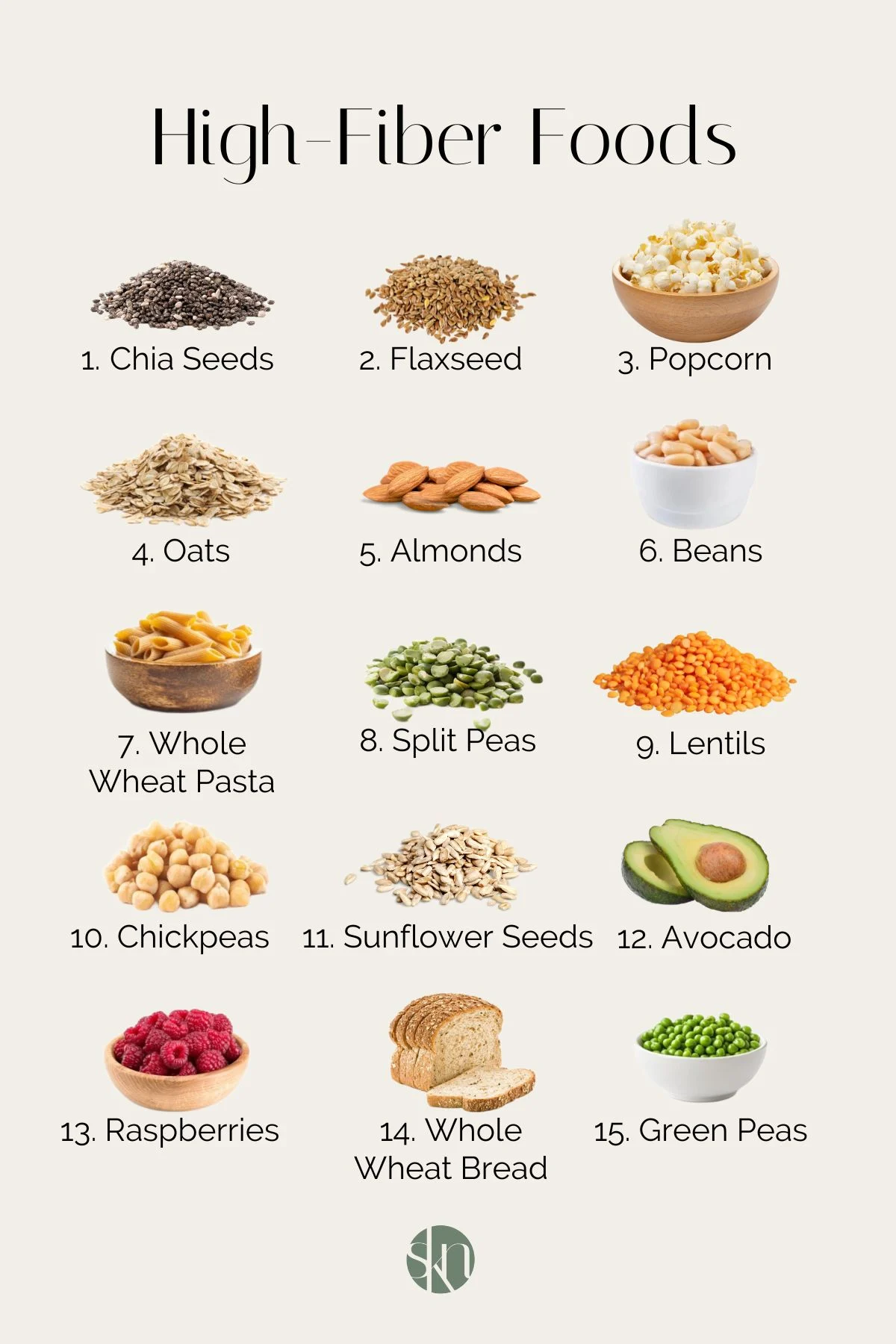
Focus on Fiber-Rich Foods
Dietary fiber feeds beneficial gut bacteria and supports regular digestion. A fiber-rich diet helps maintain a diverse and resilient gut microbiome.
Good sources of fiber include:
- Whole grains such as oats, barley, and brown rice
- Fruits like apples, berries, and pears
- Vegetables including broccoli, carrots, and leafy greens
- Legumes such as lentils, beans, and chickpeas
Gradually increasing fiber intake helps avoid gas and discomfort.
Include Fermented Foods Regularly
Fermented foods naturally contain probiotics, which are beneficial bacteria that support gut balance.
Popular fermented options:
- Yogurt with live cultures
- Kefir
- Kimchi and sauerkraut
- Miso and tempeh
Consuming small amounts consistently is more effective than occasional large servings.
Feed Good Bacteria With Prebiotics
Prebiotics are specific fibers that nourish existing beneficial bacteria. They help probiotics thrive and improve overall gut function.
Prebiotic-rich foods include:
- Garlic and onions
- Leeks and asparagus
- Bananas
- Oats
Combining prebiotics with probiotics creates a supportive environment for gut health.
Limit Highly Processed Foods
Highly processed foods often contain additives, refined sugars, and unhealthy fats that can disrupt the gut microbiome.
Reducing intake of:
- Sugary snacks and beverages
- Packaged convenience foods
- Artificial sweeteners
can help maintain microbial balance and reduce inflammation.
Stay Hydrated for Better Digestion
Water supports digestion by helping fiber move smoothly through the digestive tract. Proper hydration also supports the gut lining and nutrient absorption.
Helpful hydration habits:
- Drink water consistently throughout the day
- Increase intake with high-fiber meals
- Limit excessive caffeine and alcohol
Include Healthy Fats
Healthy fats support the gut lining and help reduce inflammation. They also improve nutrient absorption.
Beneficial fat sources:
- Olive oil
- Avocados
- Nuts and seeds
- Fatty fish
Balanced fat intake supports both digestion and long-term gut health.
Eat Mindfully and Consistently
How you eat matters as much as what you eat. Rushed meals and irregular eating patterns can strain digestion.
Mindful eating tips:
- Eat slowly and chew thoroughly
- Avoid distractions during meals
- Maintain regular meal times
These habits support digestive efficiency and comfort.
Frequently Asked Questions
How long does it take to improve gut health through diet?
Noticeable improvements may occur within a few weeks, but lasting changes usually require consistent habits over several months.
Can gut health affect mood and mental clarity?
Yes. The gut and brain are closely connected, and a healthy gut can support better mood and focus.
Are probiotics necessary if I eat fermented foods?
Fermented foods may be sufficient for many people, though some may benefit from supplements based on individual needs.
Can food intolerances harm gut health?
Yes. Regularly consuming foods that trigger symptoms can irritate the gut and disrupt balance.
Is bloating always a sign of poor gut health?
Not always. Occasional bloating is normal, but persistent symptoms may indicate imbalance or sensitivity.
Does stress impact gut health?
Chronic stress can negatively affect digestion and alter gut bacteria, making stress management important.
Should children and adults follow the same gut-friendly diet?
The core principles are similar, but portion sizes and specific needs may vary by age.
Improving gut health through diet is a gradual but powerful process. By focusing on whole foods, beneficial bacteria, hydration, and mindful eating, you support a stronger digestive system and a healthier body overall.