
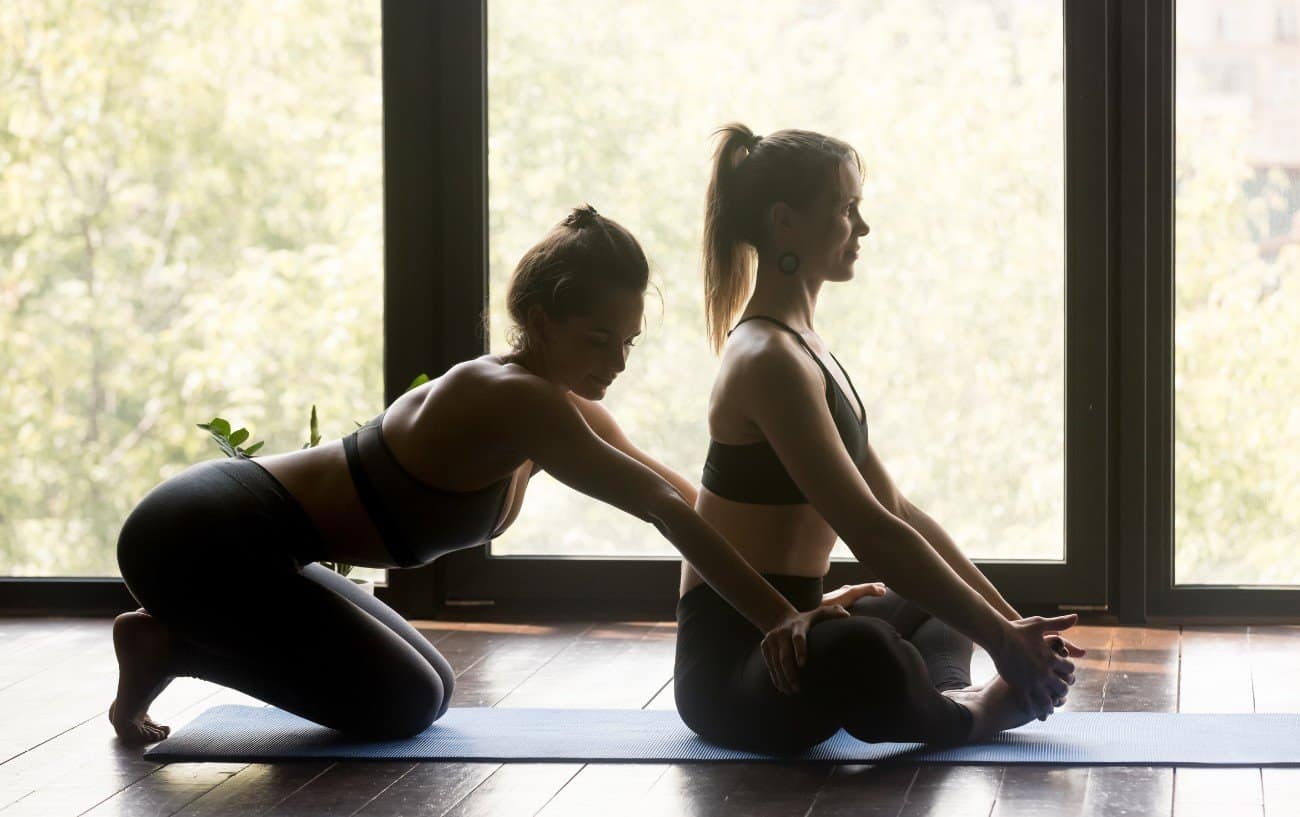
Why Private Yoga Instructors Are Becoming Essential for Personalised Wellness in Singapore Many adults want yoga to feel more relevant to their body, stress level and lifestyle. This is why working with a private yoga instructor singapore can be valuable for people who need personalised guidance rather than a general class experience. One-to-one instruction allows the practice to be adjusted around individual mobility, posture, breathing, confidence and recovery needs. Modern wellness is becoming more personalised because people are recognising that one routine does not suit everyone. A desk-bound professional may need hip mobility and shoulder release. A parent may need stress recovery and gentle strength. A frequent traveller may need postural reset and breath work. A private yoga instructor can shape the session around these real needs instead of following a fixed group class format.
Why personalised yoga matters
Group classes can be effective, but they are designed for many people at once. The teacher may offer variations, but individual attention is naturally limited. In private yoga, the instructor can observe how a student stands, breathes, moves and reacts to effort. This creates a more accurate starting point. Personalisation matters because many people carry hidden movement habits. They may lock the knees, round the shoulders, hold the breath, overuse the lower back or avoid certain movements because they feel unsure. A private instructor can notice these patterns and guide the student towards safer, more useful movement. This makes the practice more efficient. Instead of spending time on a general sequence, the session can focus on what the student actually needs.
Supporting mobility with targeted guidance
Mobility is one of the main reasons adults seek private yoga. Stiffness often builds from long sitting, screen use, commuting and repetitive movement. General stretching may help temporarily, but targeted guidance can be more effective because it addresses the source of restriction. A private instructor may focus on hip mobility, spinal movement, shoulder opening, hamstring length or ankle stability depending on the student. They can also adjust postures in real time, helping the student avoid strain. Mobility improves best when the body feels safe, supported and properly guided. Private yoga creates that environment.
Areas a private instructor may help address
A one-to-one yoga session may include work on:
- Hip and hamstring mobility
- Shoulder and neck tension
- Lower back comfort
- Core stability
- Postural awareness
- Breath control
- Balance and coordination
The focus can change as the student progresses.
Stress recovery through individual pacing
Stress affects everyone differently. Some people become restless and need active movement before calming down. Others feel exhausted and need slow breathing, supported postures and gentle mobility. A private yoga instructor can adjust the pace based on the student’s condition that day. This is important because stress recovery is not always served by a standard class intensity. A student who has had a demanding week may need a different approach from someone who feels energetic and focused. Private instruction allows the practice to respond to the body in real time. That responsiveness can make the session feel more restorative and sustainable.
Better breath awareness
Many adults breathe shallowly without noticing, especially during work pressure or emotional stress. In private yoga, the instructor can observe breathing patterns more closely and provide direct cues. The student may learn how to breathe during movement, how to lengthen the exhale or how to notice when breath is being held. These skills are practical beyond class. They can support calmer responses during meetings, family stress or evening wind-down routines.
Confidence for students who feel unsure
Some people avoid yoga because they feel they are not flexible enough, fit enough or experienced enough. Private instruction can reduce that anxiety. The session is not about keeping up with a group. It is about learning at a suitable pace. Students can ask questions, repeat movements and understand modifications without embarrassment. This builds confidence. Over time, they may feel comfortable entering group classes or continuing with a personalised routine.
Alignment that respects the body
Good alignment is not about forcing every student into the same shape. A private yoga instructor can help the student find alignment that works for their body structure, mobility and comfort level. For example, a forward fold may require bent knees. A lunge may need support under the hands. A twist may need to be smaller and more controlled. These adjustments make the practice safer and more meaningful.
Building a realistic routine
Private yoga can also help students build a realistic wellness routine. The instructor may suggest simple movements or breathing practices to use between sessions. This helps the student continue progress outside class without feeling overwhelmed. Consistency matters more than perfection. A personalised routine is more likely to last because it fits the student’s actual lifestyle.
A focused space for personalised practice
A studio environment such as Yoga Edition can support private instruction by giving students a calm, structured setting for one-to-one learning. The right space helps students focus fully on breath, movement and personal progress. When guidance, environment and personalisation come together, yoga becomes more than a general wellness activity. It becomes a tailored practice for real-life health.
Personalised wellness as a long-term investment
Private yoga instructors are becoming essential because people want wellness that understands them as individuals. They want movement that suits their body, stress recovery that suits their nervous system and guidance that helps them practise with confidence. For adults in Singapore managing busy routines, personalised yoga can be a practical investment. It helps students move better, breathe better and understand the body more clearly. That kind of knowledge can support wellbeing far beyond the session itself.