
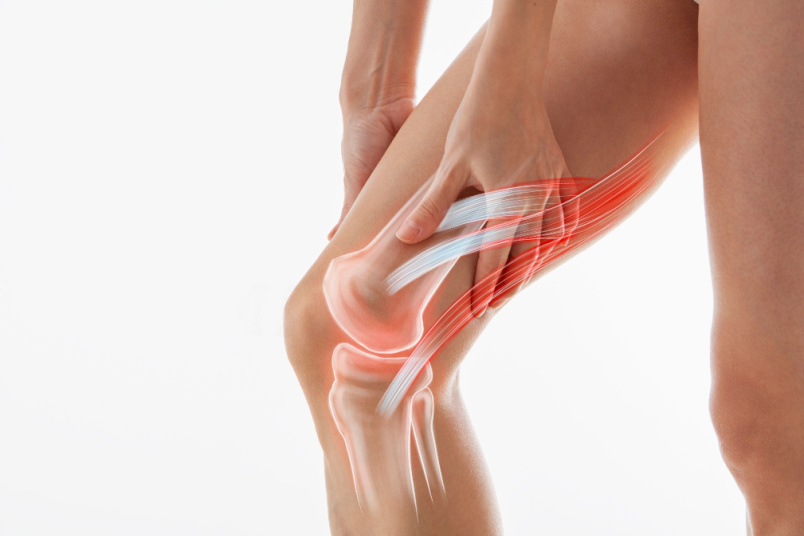
Living with joint pain or arthritis can make everyday movement feel challenging. However, the right kind of physical activity can significantly reduce stiffness, improve mobility, and ease discomfort over time. Low-impact exercises are especially beneficial because they strengthen muscles and support joints without placing excessive stress on them.
Why Low-Impact Exercise Matters for Joint Health
Regular movement is essential for maintaining joint function. When joints are not used, they tend to become stiff and painful. Low-impact exercises help by:
- Improving joint lubrication through gentle movement
- Strengthening surrounding muscles, which reduces joint strain
- Enhancing flexibility and balance, lowering the risk of falls
- Reducing inflammation-related stiffness, especially in the morning
For people with arthritis, consistency matters more than intensity.
Best Low-Impact Exercises for Joint Pain Relief
Walking
Walking is one of the simplest and most accessible exercises.
- Promotes circulation and joint lubrication
- Strengthens hips, knees, and ankles
- Can be easily adjusted for pace and distance
Tip: Choose flat, even surfaces and supportive footwear to minimize joint stress.
Swimming and Water Aerobics
Water-based exercises are ideal for painful joints.
- Buoyancy reduces body weight impact on joints
- Allows greater range of motion with less pain
- Improves cardiovascular health and muscle strength
Warm-water pools are particularly helpful for easing stiffness.
Cycling (Stationary or Outdoor)
Cycling provides smooth, controlled movement for joints.
- Strengthens quadriceps and hamstrings
- Gentle on knees and hips
- Improves endurance without high impact
A stationary bike offers better stability for those with balance concerns.
Yoga and Stretch-Based Movement
Modified yoga focuses on gentle stretching and controlled breathing.
- Enhances flexibility and posture
- Reduces joint stiffness and muscle tension
- Supports mental relaxation, which can lower pain perception
Chair yoga or beginner routines are excellent starting points.
Tai Chi
This slow, flowing movement practice is especially effective for arthritis.
- Improves balance and coordination
- Encourages joint mobility through controlled motion
- Reduces stress, which can worsen pain symptoms
Its gentle nature makes it suitable for all fitness levels.
Strength Training with Light Resistance
Muscle strength protects joints by absorbing shock.
- Use resistance bands or light weights
- Focus on controlled, pain-free movements
- Strengthen muscles around affected joints
Proper form is essential to avoid unnecessary strain.
Exercises to Approach with Caution
While movement is beneficial, certain activities may aggravate joint pain:
- High-impact running on hard surfaces
- Jumping or plyometric exercises
- Deep squats or lunges without modification
Listening to your body is key. Mild discomfort is normal, but sharp or lingering pain is not.
Tips for Exercising Safely with Arthritis
- Warm up before every session to reduce stiffness
- Start slow and gradually increase duration
- Maintain proper posture and alignment
- Stay consistent rather than overdoing it
- Rest when joints feel swollen or inflamed
Consulting a healthcare professional before starting a new routine can help tailor exercises to individual needs.
Frequently Asked Questions (FAQ)
1. How often should I do low-impact exercises if I have arthritis?
Most people benefit from exercising 3–5 days per week, with gentle daily movement being ideal for reducing stiffness.
2. Can exercise worsen arthritis pain?
When done correctly, low-impact exercise usually reduces pain over time, though temporary soreness may occur initially.
3. Is it better to exercise in the morning or evening?
Morning exercise can reduce stiffness, while evening sessions may help relax joints. The best time is when pain levels are lowest for you.
4. Should I stop exercising during an arthritis flare-up?
Light range-of-motion exercises are often safe, but intense activity should be avoided until inflammation subsides.
5. Are home exercises effective for joint pain?
Yes, consistent home-based routines can be just as effective as gym workouts when done with proper form.
6. Do I need special equipment for low-impact workouts?
Most exercises require minimal equipment, such as resistance bands, a chair, or supportive shoes.
7. How long does it take to notice improvement from exercise?
Many people notice reduced stiffness and better mobility within 2–4 weeks of regular low-impact exercise.
Low-impact exercises are a powerful, natural way to manage joint pain and arthritis. With patience, consistency, and the right approach, movement can become a source of relief rather than discomfort.