
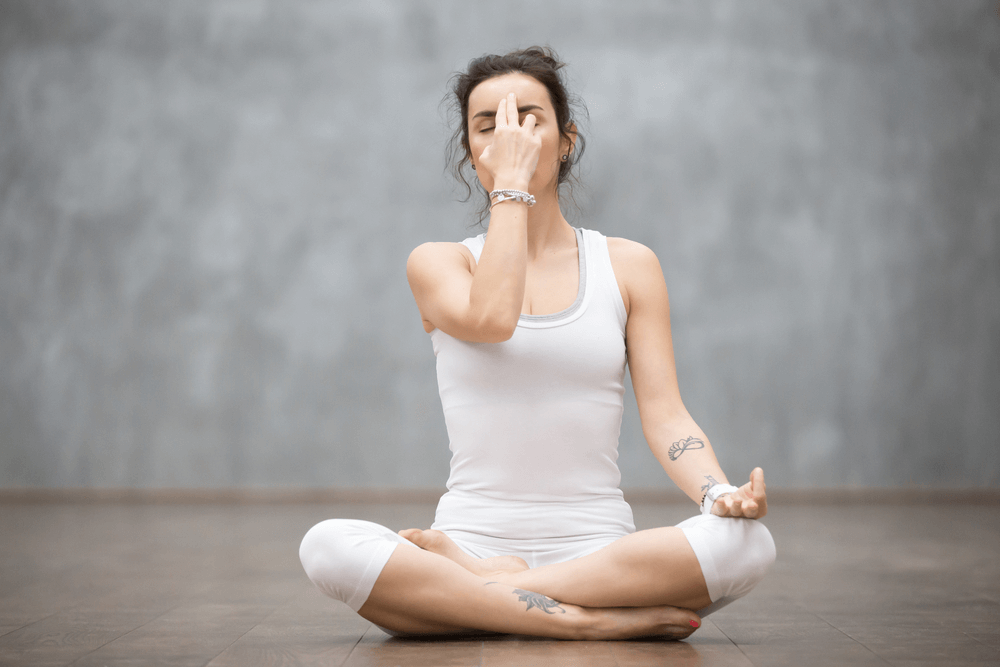
Breathing is more than a biological necessity in yoga—it is a bridge between the body, mind, and emotions. Yogic breathing techniques, collectively known as Pranayama, help regulate life energy, calm the nervous system, and support long-term physical and mental well-being. When practiced consistently, these techniques can transform everyday health from the inside out.
Understanding Yogic Breathing (Pranayama)
In yoga philosophy, prana refers to vital life force, while ayama means expansion or control. Pranayama is the conscious regulation of breath to influence energy flow within the body.
Unlike shallow chest breathing, yogic breathing emphasizes:
- Slow, rhythmic inhalation and exhalation
- Awareness of breath movement
- Coordination between breath and posture
This mindful approach enhances oxygen uptake and improves the balance between the sympathetic and parasympathetic nervous systems.
Why Breathing Techniques Matter for Health
Modern lifestyles often promote stress-induced, shallow breathing, which can contribute to fatigue, anxiety, and poor concentration. Yogic breathing counters these effects by:
- Improving lung capacity and respiratory efficiency
- Supporting heart health and circulation
- Reducing stress hormones like cortisol
- Enhancing mental clarity and emotional stability
Over time, these benefits accumulate, creating a strong foundation for holistic health.
Key Yoga Breathing Techniques and Their Benefits
Diaphragmatic (Deep Belly) Breathing
This foundational technique encourages full use of the diaphragm.
Benefits include:
- Better oxygen delivery to tissues
- Reduced stress and muscle tension
- Improved digestion and relaxation
Anulom Vilom (Alternate Nostril Breathing)
This practice balances airflow through alternating nostrils.
Known for helping with:
- Nervous system balance
- Improved focus and memory
- Reduced anxiety and restlessness
Ujjayi Breathing (Victorious Breath)
Characterized by a soft constriction in the throat, producing a gentle sound.
Supports:
- Better breath control during yoga postures
- Increased lung endurance
- Mental focus and internal awareness
Bhastrika (Bellows Breath)
A more energizing technique involving forceful inhalations and exhalations.
Common benefits:
- Increased energy and alertness
- Improved metabolism
- Clearing of respiratory passages
Note: This technique should be practiced cautiously and avoided by those with certain medical conditions unless guided by a qualified instructor.
Mental and Emotional Benefits of Yogic Breathing
Breathing techniques in yoga are especially powerful for mental health. Regular practice can:
- Calm racing thoughts
- Improve emotional regulation
- Reduce symptoms of mild depression and anxiety
- Enhance mindfulness and present-moment awareness
By slowing the breath, the mind naturally follows, creating a sense of inner steadiness.
How to Incorporate Breathing Techniques into Daily Life
You don’t need a long yoga session to experience the benefits. Simple habits can make a big difference:
- Practice 5–10 minutes of Pranayama each morning
- Use slow breathing during stressful moments
- Pair breathing exercises with meditation or gentle stretches
- Maintain a consistent schedule for best results
Consistency matters more than duration when it comes to breathing practices.
Safety Tips for Practicing Pranayama
To ensure a safe and effective experience:
- Practice on an empty or light stomach
- Sit in a comfortable, upright position
- Avoid strain or breath retention beyond comfort
- Stop immediately if you feel dizzy or uncomfortable
Listening to your body is essential for sustainable progress.
FAQs: Breathing Techniques in Yoga
1. How often should yogic breathing techniques be practiced?
Daily practice is ideal, even if only for a few minutes, to experience long-term benefits.
2. Can beginners practice Pranayama without a yoga teacher?
Yes, beginners can start with simple techniques like deep breathing, but guidance is recommended for advanced practices.
3. Is there a best time of day for yoga breathing exercises?
Early morning is traditionally preferred, but any quiet time that suits your routine works well.
4. Can breathing techniques help with sleep problems?
Yes, slow and calming practices can relax the nervous system and support better sleep quality.
5. Are yoga breathing techniques suitable for older adults?
Most gentle breathing techniques are safe and beneficial for older adults when practiced mindfully.
6. How long does it take to notice health improvements?
Some benefits, like relaxation, may be felt immediately, while others develop over weeks of consistent practice.
7. Can Pranayama be combined with other forms of exercise?
Absolutely. Yogic breathing complements activities like walking, stretching, and strength training by improving endurance and recovery.
Practicing breathing techniques in yoga is a simple yet powerful way to enhance overall health. With patience and regularity, conscious breathing can become a lifelong tool for balance, vitality, and inner calm.